The final module of the MBA program takes place in Kamchatka. It’s where brainwork meets physical adventure. Some of the highlights: half a day riding snowmobiles across endless snowy landscapes, a helicopter flight with a volcanologist guiding you into a breathing crater, a boat trip to see massive sea lions, a dip in the icy waters of Avacha Bay, freeriding, camping in the snow and three days of deep reflective practice based on Georgy Shchedrovitsky’s methodology.
Announcement of the Kamchatka module
A lot of MBA programs in Europe and the US include off-campus team-building modules like hiking or white-water rafting. And there’s a reason for that. The Kamchatka module is where real friendships lock in. You get to see who people really are, because the usual habits and roles just don’t work out here. What kind of stuff helps with that? Pitching tents in the snow or digging out and reinforcing a giant 6x6 meter firepit with your classmates. When there’s no script to follow, no roles to hide behind, that’s when people show up as they are. And honestly, it’s when you meet yourself too.
The first details and prep instructions for the upcoming Kamchatka module were shared back in May 2018 and the trip itself took place in April 2019. It was introduced by Andrey Volkov, who was originally supposed to lead the expedition. Unfortunately, he couldn’t make it. Volkov is the founding dean of the Skolkovo Moscow School of Management and one of its key visionaries. He’s now leading large-scale projects, including one aiming to get five Russian universities into the global top 100 rankings. Participants were encouraged to start preparing early, learn to ski if they didn’t already and build up regular aerobic workouts 3-4 times a week.
We were also asked to write an essay to reflect on where we were in life, imagine the future we wanted and map out a plan for how to get from here to there. Once our essays were done, we shared them in small groups and had open discussions. That process really helped build even more trust among classmates. To help us get into the right mindset, Andrey Shapenko shared a template INSEAD ,which gave us a clear structure to follow and made it easier to dive in.
Day 1
I flew to Petropavlovsk-Kamchatsky from Saint Petersburg with a layover in Moscow. All my classmates joined in at Sheremetyevo and we all took the same flight from there. My flight left St. Pete at 1:15 PM and we landed in Petropavlovsk at 10:05 AM. The whole trip took about 9 hours and 45 minutes, with a 9-hour time difference.
When we landed, two Ural trucks were waiting for us as regular cars can’t make it to the base, “Snow Valley” where all the action happens. The trucks were converted into buses with huge low-pressure tires that can handle deep ruts and rough trails. The ride to the base took about two hours through the wilderness. We got there around 1:30 PM, got settled into our cabins, had lunch and kicked things off with a briefing.
The briefing was set up as a series of stations:
- Getting the right gear: this wasn’t your regular ski setup, we were getting outfitted for freeride. The skis are wider, especially at the tips and come with special bindings that let your heels lift when you’re hiking uphill. If you were on a snowboard, you got a splitboard, it comes apart into skis for climbing with bindings that have a pop-up heel piece for steep ascents. We also got climbing skins, sticky strips you put on the bottom of your skis so you can walk uphill without sliding back. Telescopic poles, foldable ski poles that collapse down small, easy to carry. A probe, a long, collapsible rod used to search for someone under the snow. A beacon, a small device you wear that sends and receives signals in case of an avalanche. A foldable shovel. Crampons, metal spikes you strap onto your ski boots for climbing steep, icy slopes. An ice axe, although we all ended up leaving those at the base, we didn’t need them with the conditions we had.
- Clothing station. The instructor explained how to dress for hiking and mountain conditions so you stay comfortable. And anyone who ignored the advice and didn’t get Gore Tex gear (a breathable, windproof, waterproof fabric) ended up seriously regretting it.
- Tent setup. We learned how to dig out a spot and pitch a tent in the snow so it would be stable and comfortable to sleep in and wouldn’t get blown away overnight. The ideal setup meant digging out a square about 3x3 meters and about a meter deep.
- Snowmobile training. You could pick a snowmobile based on your skill level from heavy and steady to light and high-powered. While we were riding through the forest, the instructors watched how everyone handled their machine. Based on that, they grouped us into teams and pairs for the upcoming rides.
- What to do in case of an avalanche. They walked us through the two main types. First, there’s a point-release avalanche, it starts small from one spot and picks up power as it moves. That usually happens when a fresh layer of snow doesn’t stick well to an icy layer underneath or when a thin layer of water forms between snow layers with different densities. The second type is a slab avalanche, that’s when a whole sheet of snow sitting on an icy base breaks off and slides down all at once. If someone gets buried, you’ve got about 15 minutes to get them out. After that, chances of survival drop fast, oxygen runs out quickly and the packed snow is heavy and hard to breathe in. The best thing you can do is curl up in the fetal position, it helps create a bit more breathing room. They also told us about a rare case where someone survived after 45 minutes. He had on a big down jacket and he bit into it to get some extra air, it was just enough to stay alive until help showed up. There are also special avalanche backpacks, if a slide starts, you pull a handle and a big airbag inflates, kind of like a life preserver. It helps keep you closer to the surface and less likely to get buried deep.
- Ski/snowboard skill check. There’s a small slope with a lift right at the base and that’s where everyone showed what they could do. The conditions weren’t great, more ice than snow that day. Based on how people handled it, they split us into two groups: one for the tougher, more athletic route up to the tent camp and one for the easier, more relaxed version of the hike.
For those who showed enough skill and wanted to take the sportier route, a series of early morning training climbs was planned to test freeride abilities out in real conditions. I got into the sport group.
A 25-hour day wrapped up with dinner and a quick briefing on what was coming next.
P.S. This winter, I finally realized I can’t stand snowboarding. Before the 2018–2019 season, I’d hit the slopes maybe once or twice a year and only to hang out with friends. But once Kamchatka was announced, I ended up going about 15 times that season. We even made a special trip to Sochi for some extra practice at the end of March 2019. Turns out my body wasn’t too happy about it either. In Sochi, I wiped out on the slope so badly they had to call an ambulance that evening. And a couple of weeks before the trip, I developed a heel spur from all the extra running and had to scale back my workouts just to keep going.
Day 2
Up at 6 AM, quick snack, skins on the skis and we set off in a small group along a forest trail heading up «Mount Goryachaya». The hike took about two hours. Physically it wasn’t too hard, especially if you’re into running or anything like that. Around 350 meters of vertical gain over about 5 km.
Then Roman Bryk, the leader of the sport group, rides down the main slope and watches as the rookie freeriders take on the steepest part. Everyone’s got their own style: some confidently bomb down on their boards, others gently belly-flop their way down, lazily swinging their skis, trying to catch some air for balance. I had two edge catches and a couple of falls and then, finally, I was at the bottom. The rest of the descent felt more like drifting through a spring flood in slow motion, just kind of gliding between trees without much control. Proud as hell (!), I made it back to the base second to last, fully aware that with my current technique, I wasn’t having much fun. By the time I got there, everyone else was already gathered for breakfast.
The guides take a hands-off approach, no tips, no advice, unless something on your gear actually breaks. You signed up for this, so it’s on you to keep up with the pace. It really makes you feel your own responsibility out there. You quickly get a better sense of your limits and of yourself. It’s a great example of what “just enough” support looks like for adults in a team or group setting. If you can’t keep up with the group, don’t go. And if you do go, don’t count on luck or someone else getting you to the finish line you’re the one responsible.
They split us into two groups. Our group jumped on snowmobiles and took off at 11:00 AM, riding across open snowy plains and occasionally climbing up and down mountain trails. When the wind picked up and the snow started blowing, if you didn’t have your buff pulled up, it felt like tiny shards of ice hitting your face. At one point, I spotted a snow-white hare sprinting ahead of us totally outpacing the group. By 1:00 PM, we made it to a canyon where we had some off-route free riding. The best part is dropping down from the ridge at full speed for a few moments, you can’t see more than a couple of meters ahead and it feels like you’re flying straight down. Almost like falling. Total adrenaline rush.
At 2:00 PM we reached the spot where the two groups met back up, the others returned from their part of the trip by helicopter. We set up a table and had lunch, soup in giant thermoses that had been brought over from the camp.
We flew up to the crater of Mutnovsky volcano in two helicopter runs. Up there, you’re surrounded by boiling pools of sulfuric acid nearly 400 degrees and thick yellow clouds of steam that smell like rotten eggs. One breath and it hits you, you can’t breathe, it just shuts everything down. Over some of the boiling spots, crusty caps form on the surface, but it’s impossible to tell where the solid ground ends and the acid pool begins. You have to be really careful where you step.
Our group took a helicopter to a nameless bay in Avacha, while the other group headed back to the base by snowmobile. At the bay, a few of us guys decided to take a dip. Later, we took a boat out to see the Steller sea lions. One male weighing up to a ton usually leads a group of around 50 females, each about 350 kg. We flew back to the base, had dinner at 9 PM and called it a day. Well, sort of we headed over as a little crew to one of the cabins for a tea ceremony and stayed up chatting until midnight.
Mindset work / Days 3-5
Starting on day 3, we shifted our focus to thinking techniques. Everyone had the option to join one of four groups: Corporations, Intelligence, Psychosomatics or Entrepreneurship. The day before, we were asked to choose our group, but they didn’t tell us which moderator would lead which one. That was intentional, so we’d pick based on what actually interested us, not who was running it. The groups ended up pretty evenly split. There were four moderators: Konstantin Dikovsky, Pavel Mrdulyash, Artyom Denisov and Egor Maslov. The group presentations were moderated by Sergey Gradirovsky. The discussions were made even richer with help from Maksim Feldman and Milena Milich. Alena Myakisheva and Anastasia Tkachuk helped with all the logistics. I chose the Entrepreneurship group. The rest of what I’ll share is based on our group’s work and what we dug into together.
Each of the next three days followed the same rhythm:
6:00-9:00 AM – freeride training for those aiming to stay in the sport group
8:00–9:00 AM – breakfast
9:00–10:30 AM – intro session with core concepts to set the foundation for group work
10:30 AM–2:00 PM – focused group work with moderators. Each group had its own space, some met in cabin kitchens or living rooms, others in the restaurant area. Our group worked in the hotel lobby. The whole base was turned over to us for the module, so we had total freedom and didn’t get in each other’s way.
2:00–3:00 PM – lunch
3:00–7:00 PM – group presentations. Each team picked a speaker, prepped a presentation using giant sticky sheets, and shared their work with everyone.
After each presentation, we moved into a “questions for understanding” section, basically a dialogue. The presenter had to clarify and defend their points, while the rest of us asked questions. The moderators brought their experience into it too, they would unpack each group’s conclusions in reverse, pointing out gaps in logic or shaky assumptions that the whole argument was built on. The discussion was led by Sergey Gradirovsky. He had a great way of keeping things focused, if the back-and-forth started turning into a debate, he’d cut it off with a clear “noted” and we’d move on. I’ve definitely borrowed that one for myself. One important rule at this stage: no opinions allowed, only questions.
Next came the “judgment” stage. This is where listeners could finally share what they thought about the presentation and give feedback. The presenting group wasn’t allowed to respond or jump into discussion, just listen. The best approach was to take a piece of paper and write down each comment point by point.
7:00-8:00 PM – dinner.
9:00 PM-... – reflection on the day’s presentations. Each group gathered in whatever way worked best for them, some met where the main discussions had taken place, others headed to the pool. By the way, the base doesn’t have a hot water problem, quite the opposite. There’s plenty of it flowing straight from the natural hot springs on site. The tricky part is the cold water. Sometimes, while taking a shower, you realize it’s basically boiling because the cold water in the tanks has run out. The pool was something else, it’s outdoors, filled with naturally hot spring water. You sit there, snow falling around you and every now and then you catch a hare darting past along the edge of the pool.
I have to admit, by the middle of the second day, I (like a few of my classmates) still had no idea what we were really dealing with. And when yet another presentation got unraveled and the group’s defense was torn down, we started voicing our confusion out loud, turning it into a pretty heated dialogue, all eyes on Pavel Mrdulyash for answers. It wasn’t until the third day that we started to grasp the value and logic behind the method. Even then we still had questions.
I’ve got a couple of guesses as to why there was so much confusion during those first couple of days. First – Pavel Mrdulyash deliberately didn’t “lower the bar.” He kept the discussion at his level and expected the rest of us to reach up to it, rather than meeting us where we were. Second – we didn’t sync up on our levels of understanding from the start. On day one, there was no common ground. In hindsight, it might actually be worth making some reading mandatory for future groups, like starting with something by Pyotr Shchedrovitsky. These thoughts came out of a conversation with Denis K., Hey!-)
Our “Entrepreneurship” group was moderated by Artyom Denisov, an MBA-6 grad, we were MBA-8. His style was calm and steady, gently steering the discussion and helping us out of dead ends without pushing too hard. He facilitated things with a light touch. The good part is that Artyom never slipped into the “expert” role, which was great. The not-so-good part was that maybe the group could’ve used a bit more shaking up now and then.
Each of the three days, our group worked on the same topic. But with every round, we refined the definitions, our position and the core problem. By the third day, we finally started to see how the whole process fit within the methodology.
Methodology and concepts
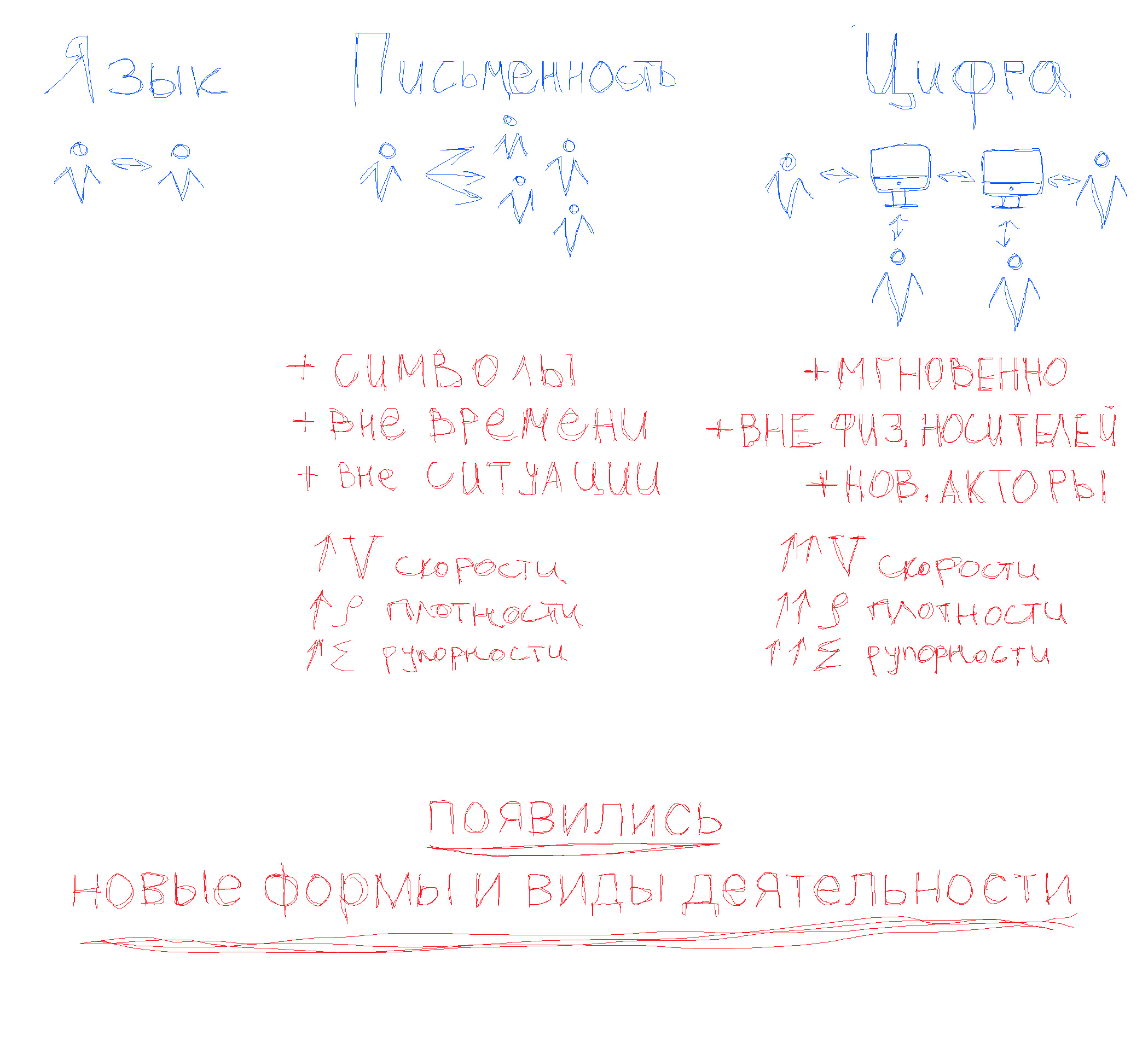
To explain the method, I’ll describe the conceptual framework as it landed in my own head. Georgy Shchedrovitsky in his talks, and later the moderators during the intro sessions, made a bold, provocative claim: most people don’t actually think, and even if they do manage to think something through once, there’s no guarantee they can do it again. One key formula that shaped everything that followed: Experience = Action × Reflection.
The key concept in this methodology is reflection. In Shchedrovitsky’s view, reflection is the ability to really see the full picture, not just looking back at what happened, but also looking a little bit ahead. Planning and design come from that forward-looking kind of reflection. It’s when you stop asking, “What did I do?” and start thinking, “Okay, what if I do this, then what?” That kind of mental play, thinking a few steps ahead, eventually turns into planning, designing and building out real strategies.
Descriptions of two positions M1 and M2, the reflective position
The whole situation is described starting from the current position (M1) and then the desired future state, the target model (M2) is projected. Each situation is described using the format: context, object, person. The person, in a way, rises above the situation and constructs the next desired state while in a reflective position.
1. Context
This is where you describe the situation the object is in. You identify the key factors that define and influence that situation. The goal is to create a shared understanding, a common semantic field for everyone involved in the discussion.
Example: a volatile, export-driven, developing economy; a banking system going through a crisis; a strong presence of technical universities.
2. Object
This is the role or position the person currently occupies, the space or system they’re embedded in.
Example: an entrepreneur who owns several businesses across different industries with a managing partner in each one handling the day-to-day operations.
3. Person
The individual within this context is the subject. This includes values, goals, education, hobbies, feelings, all the key traits that help place the person or group within a shared conceptual framework.
Example: 30 years old, has a strong team, international education, personal resources, connections to investors who are ready to back a new venture, speaks multiple languages and is into triathlon.
Visualization
I was surprised how much easier it is for a group to understand a situation when you visualize it. With words, people can mean different things even if they say the same thing, but visuals are usually a lot more clear.
That made me realize something: visualization is a really important skill for an entrepreneur. The better you are at it, the faster you can connect and align with other people. In complex situations, pictures often explain things better than words. Visuals help you show what really matters, focus on the big stuff and leave out the extra details.
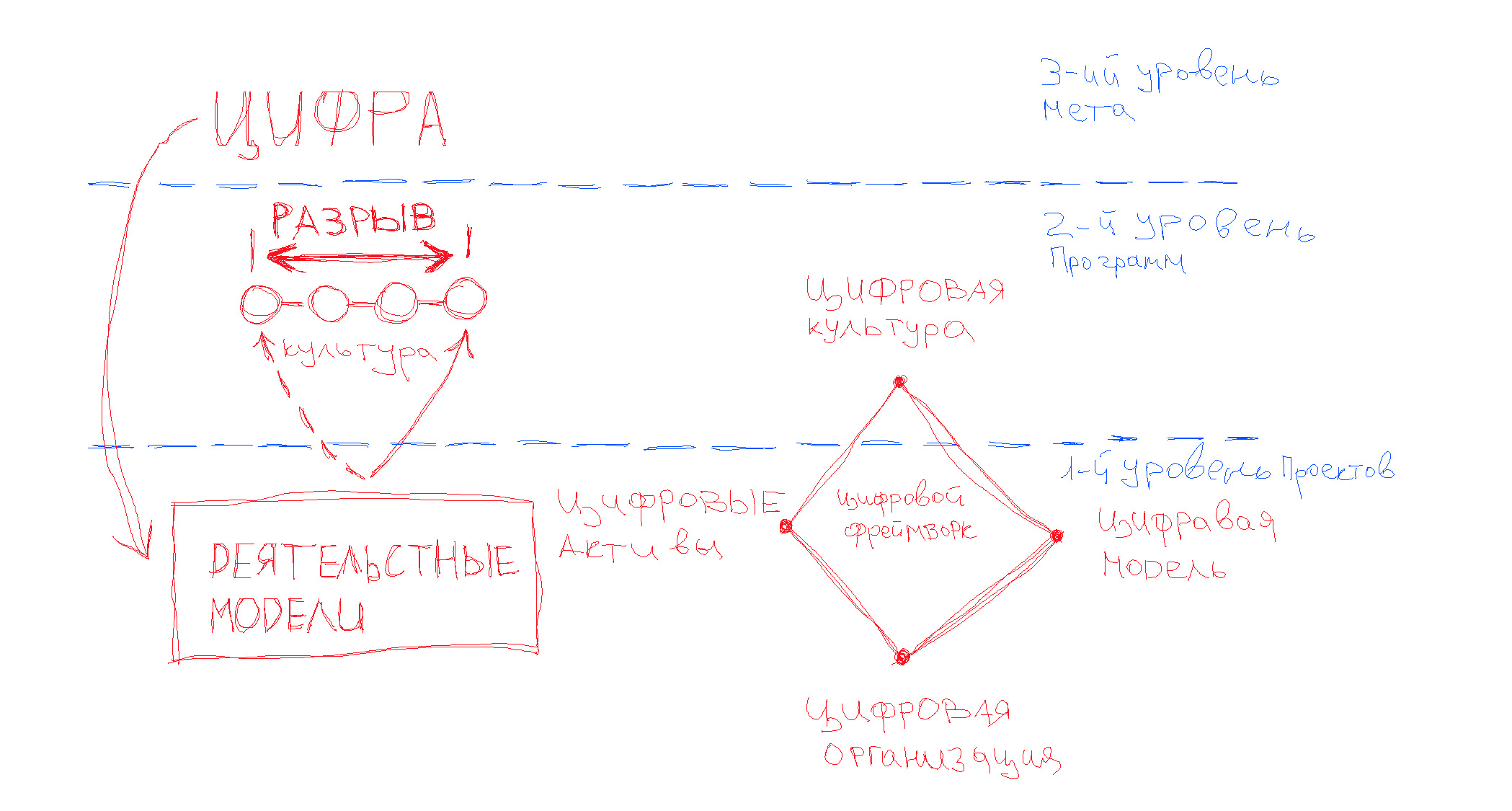
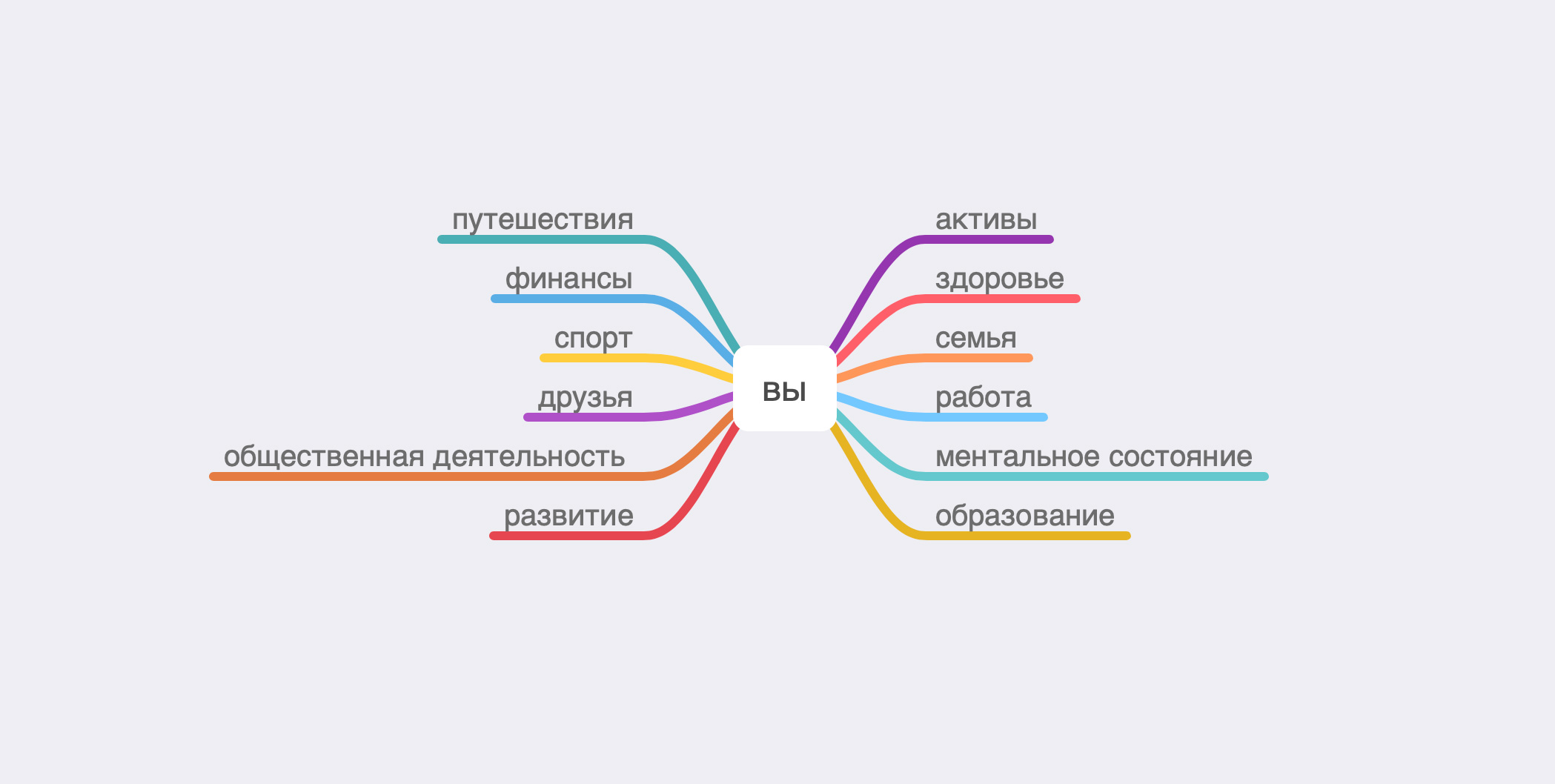
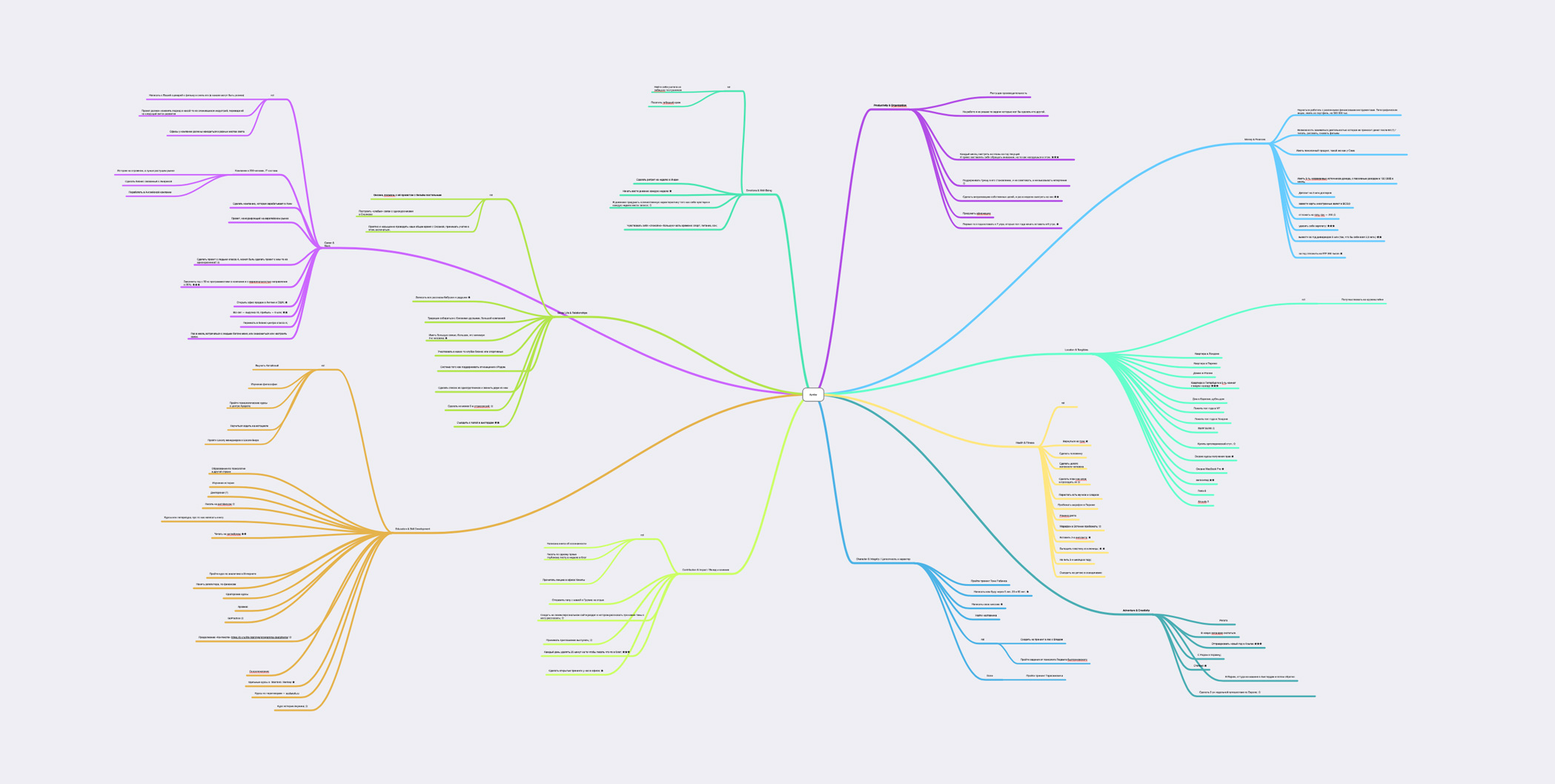
An example of our team’s visualization
Conceptual framework
To make sure everyone understood the visualization the same way, we had to talk through the key concepts first. That way, we all had a shared understanding. Over the three days, we kept coming back to the word entrepreneur, because how we defined it changed how we saw the whole situation. By day three, we landed on something like this: an entrepreneur is someone with limited resources, who creates value through action and takes on personal risk to do it.
Problem
According to the methodology, finding the real problem happens across three levels. While working on the topic of entrepreneurship, we followed this path:
At the first level of problem-finding, you usually get statements like: lack of self-belief, no motivation, no opportunities.
The second level, causes/tasks, is where we get to things we actually know how to work with. At this stage, we’re framing problems as tasks that can be addressed. Examples: weak business education, no international contacts, poor legal infrastructure.
At the third level, we finally enter the real problem space. Here’s how we defined the key issues: the elite doesn’t see value in entrepreneurship; there are strong societal biases against the profession; entrepreneurs often have limited horizons, meaning they tend to think only within the scope of Russia, or even just their own city, when starting a project.
The core problem we landed on was this: a closed mindset keeps entrepreneurs in Russia from building unicorns.
Active Position / Action Plan / Path / Project
When defining a problem, it’s important to understand what active position the person is taking. How are they going to act from that position? If someone states a problem but doesn’t take any active position, it’s just an opinion, empty talk.
A problem is a situation that can’t be solved without rethinking how the system works in the M1 position. In other words, there are fundamental parts of the current setup M1 that have to change, otherwise, reaching M2 just isn’t possible. For example: if you’re a traditional bank that doesn’t use the internet to attract or serve customers, but you still want to grow like it’s the early 2000s – that’s not going to happen unless you completely change how you operate. Or put another way: a problem is a kind of manageable disaster, one you can work with, but only if you’re ready to change the whole structure. A disaster is something you can’t solve, like a war.
According to Shchedrovitsky, a problem is when two people are arguing, both are in the same situation and each is expressing a view that contradicts the other, and yet both are right.
When someone gives advice or shares an opinion, it’s important to ask: what active position are they planning to take in this situation? If the answer is “none,” then whatever was said is just a judgment, basically empty words. An active position means the person is ready to take action, to influence the situation somehow. Otherwise, they’re just staying in a passive, victim-like or purely supportive role. Sometimes, you can help someone shift from just sharing an opinion to actually taking a position by simply asking: “And what are you going to do about it?”
Once you understand the M1 and M2 positions and see the problem through the lens of an active position, the next step is to create a work plan that helps move from one position to the other. Basically, this becomes a project – an idea paired with a plan to make it real. That’s how you go from an initial thought all the way to a concrete solution.
Personal conclusion from the intellectual part
I was deeply impressed by the deep dive into the methodology. One insight that seems obvious but hit me personally: you don’t know how you’ll feel in position M2 while you’re still in M1.
I’ve been doing psychoanalysis for four years now, both individually and in group settings. The practice mainly tries to help you answer the question, “What do you want?” It looks at a person through the lens of childhood struggles and desires, shaped goals and unmet needs for love early in life. From there, psychoanalysis generally splits into two schools: Freud’s view, that we’re driven by instinctual urges (an inner pull), and Viktor Frankl’s, that we’re drawn toward meaning and values (an outer pull)
If Freud’s approach is about awareness in the present, basically M1, then Frankl’s is more about M2, looking ahead toward meaning and goals. What Shchedrovitsky does is bring the two together. He doesn’t treat them as opposing ideas, instead, he connects them through project thinking and taking an active position. To me, that’s brilliant. Freud’s psychoanalysis (M1) becomes about exploring and organizing your inner world, understanding yourself and your place in the moment. Frankl’s approach (M2) is about direction, aligning that organized structure toward purpose. And Shchedrovitsky’s piece, the active position, is what ties it all together. It’s the driving force that helps the two approaches work side by side.
Lately, the thing that’s been on my mind most is the idea of manifestation or showing up fully. In my world, manifestation means when a person’s inner, hidden state fully comes to life through the project they’re working on. Like a negative turning into a photo, it fulfills its purpose. In the same way, a person manifests through their work, bringing their inner self into reality. If Csikszentmihalyi, in Flow , describes what that state feels like, then Shchedrovitsky answers the question, “How do you actually get there?” – through the process of reflection. Without manifestation, there’s no real life.
The process of reflection:
- A person “rises above” the state they’re currently in.
- They describe their current state M1 by looking at the context, the object and the person. Mindfulness can really help here, it makes it easier to see where you actually are. It’s also worth getting input from others, we’re usually not great at seeing ourselves clearly. Like with bad breath, you can’t smell your own.
- Now you design M2. If there wasn’t enough awareness in the previous step, it can feel like you’re staring at an endless sea of options and it’s hard to choose or even name any of them, because everything seems possible. Awareness helps you spot and shape a few clear options. And if you dig into your values and sense of meaning, like Frankl suggests, that space of possibilities starts to narrow down even more.
- Next, you build a work plan. You take an active position toward the tasks you need to complete in order to reach M2.
This process is repeated again and again and that, according to Shchedrovitsky, is what thinking really is. There’s no guarantee that M2 will bring joy. There’s always a risk from your current position (M1), it’s impossible to truly know how you’ll feel in the new one (M2). That’s why without taking an active position, real thinking can’t happen. But in the process of moving forward in showing up, in manifesting yourself, that’s where the joy is. That’s what life is.
Overnight in the snow at base camp / Day 6
We had breakfast, then headed to the base of the Vilyuchinsky Volcano. After a quick gear check, we started the climb up to the volcano’s shoulder, about 900 meters of elevation gain. The group naturally spread out with everyone going at their own pace based on fitness. The instructors stayed up front with the faster folks and also covered the back. If you’re a runner, the climb feels more fun, it’s less about downhill skiing and more like cross-country movement as you go uphill.
Some parts of the climb were really steep, you had to edge your skis into the slope at an angle to stay stable. On the steepest sections, we used a zigzag or traverse technique. That way, the vertical gain per step is smaller, making the climb easier and reducing the risk of sliding back. While moving across one of the traverses, I remembered something Yury Belonoshchenko once said about the power of small steps – that you don’t stop when you’re tired, you just shorten your stride. You end up covering more ground over time than if you stop to catch your breath and then start again. The same principle applies in business too.
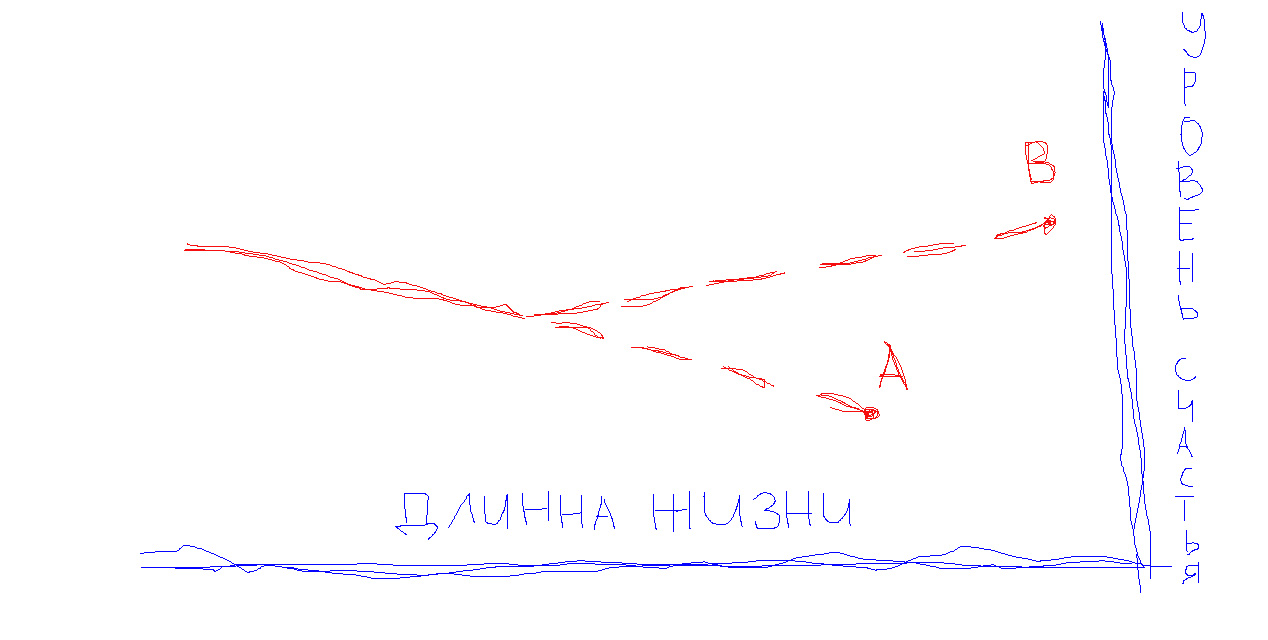
There’s a nice feeling that kicks in once you’ve committed, when you’ve got point A and point B, you stop asking yourself “Do I really need to do this?” and just focus on the action. It’s the same with the activity-thinking approach: there’s a time for planning and a time for doing. Don’t mix it all into one moment.
I felt the shift the moment I saw the flag and the finish line. That final stretch suddenly felt way easier. It’s a great example of why it helps to mark progress with clear wins and measurable milestones along the way. Seeing how far you’ve come makes the rest of the journey feel lighter.
Each tent had 2–3 people, and digging it out together was actually kind of fun. You team up and just get to work, it really brings everyone together. There’s a feeling of connection when four of you are digging like crazy, setting up one tent, then moving on to the next. The snow, by the way, was 4.5 meters deep. What made it cool was that the situation was stressful, but there were no ready-made behaviors to fall back on. You start to see people for who they are and learn more about yourself too. What I noticed about me: I like digging the space for the tent, but I totally lose interest when it’s time to actually set it up. I just want to move on to something else. It takes effort to stay with it and finish the job.
We got the tents set up and I went off to start the fire, no big deal, done that before. I grab a metal sheet and lay it on the snow. Then the instructor chimes in: you’ve gotta place logs under the corners so it doesn’t sink once it heats up. Okay, makes sense – done. Then comes the kicker: we need to dig out a 6-by-6 meter fire pit, about a meter deep. And ideally, it should have a step around the edge so you can sit on it like a bench. Well, ****.
You start digging and classmates just naturally join in, even Pavel Mrdulyash. No one asked, it’s just clear there’s work to be done and everyone feels it. One thing I noticed: the people who jump in are usually the ones you’ve been talking with the most. With the conversations and shared effort, it feels less like work and more like a moment of connection, like we’re all showing up together. Some people took a break and crashed in their tents. Others kept setting up the rest, making sure the sport group, who’d be arriving later, right around dusk could just drop their gear and join us for dinner.
We got the fire going, opened the soup thermoses, had dinner and gathered around the fire. One of the instructors brought a guitar and luckily, a few people knew how to play. A small group of us stepped away from the fire for a bit, shared toasts, said some kind words and yelled our cheers into the night while hugging each other. By day 6, the whole trip had really brought people closer. And it also made it clear who had stayed on the outside and didn’t try to connect.
When you go to sleep, you crawl into your sleeping bag with the inner liners from your ski boots. If you leave them in the boots overnight, everything will freeze solid and you won’t be able to get them back on in the morning. If you start getting cold in your sleeping bag, take off some clothes. You’ll actually stay warmer since the extra layers won’t steal your body heat. At night, only my face felt cold. Wake-up was at 7:00 AM, followed by breakfast, then we headed back to the base. There we had a reflection session on the whole module and a celebratory dinner. The next day – departure.
Another great moment came from my classmate from China, Minyan. She had injured her back before Day 6, and when she started the climb to base camp, she already knew she wouldn’t be able to finish the whole route, but she went anyway. Even if you know you won’t make it all the way, you can still go and find out where your limit really is. Every bit of progress along the way is a win.
Conclusion: I’d rate the module a 9.9 out of 10. What was great: top-notch organization; the balance and format of blending intellectual work with physical challenge; and how close we became as classmates, both parts of the module really helped with that. What wasn’t great: unfortunately, Andrey Evgenyevich, the leader of both the intellectual and sport parts of the program for the previous two MBA groups couldn’t join us this time.